
Case study · Enterprise software
Configurable Management: a site that explains SAP automation to buyers
A software company with a product that is hard to explain in one sentence: zero-code automation for SAP. We built a site that gives each product its own page and puts a demo request in reach of every visitor.

The results for Configurable Management
Software for the teams that keep SAP running
Configurable Management makes Decisions for SAP Solutions, a zero-code platform that lets a company build rules, workflows and web forms that read from and write to SAP without custom programming. Around it sit narrower products for master data governance, data validation, customer and vendor master records, and consulting and training services for the teams that use them.
The company was founded in 2006 and has built on the Decisions platform since 2017. In January 2026 it announced that it had joined Decisions and ProcessMaker through an acquisition. The buyers have stayed the same throughout: SAP managers, data stewards and IT leads at larger companies, who research carefully and rarely decide alone.
The challenge: a technical product and several kinds of reader
Enterprise software is bought by committee. The SAP developer wants to know how the platform reaches BAPIs and RFMs. The business owner of a process wants to know whether a material master request will stop taking weeks. The person signing the contract wants evidence that it has worked somewhere else. One home page cannot say all of that at once.
A long product list adds to the problem. With a platform, several add-on products, five services and a training catalog, a visitor can easily lose track of which piece answers their question. The site needed an order that made sense to someone arriving from a search with one specific problem.
What the new site had to do:
- Explain zero-code SAP automation in terms a business reader can follow, with the technical detail still there for developers.
- Give every product and service its own page, so a search for one of them lands on it.
- Back the claims with case studies and white papers a buyer can pass to colleagues.
- Make requesting a demo the obvious next step from anywhere on the site.
What we built
A WordPress site organized the way an enterprise buyer researches: what the product is, what it does for a process like mine, who else has used it, and how to see it running.


A page for every product.
Decisions for SAP Solutions has its own section with pages for rules, workflow, enterprise use, dashboards and analytics, and active data governance. Scriptonite, BAPIMatic, Data Validation Management and the master data accelerators each get a page too, so nothing is reduced to a bullet point.
A demo request in the main menu.
"Request a Demo" sits in the navigation on every page, next to the phone number and sales email in the top bar. A visitor who is ready does not have to hunt for the form.
Case studies by business problem.
Material master, master data governance and configure-price-quote projects are written up separately. A buyer with one of those problems can read the closest match and forward it.
A resource library with gated white papers.
White papers download after a short form asking for a name, company and email. The video library and blog are open to everyone. Serious researchers identify themselves, casual readers are not turned away.
Service and training pages.
Business process consulting, SAP consulting, data migration, support and training courses each have a page, which tells a prospect that help comes with the software.
SEO in the structure.
Each page targets the term a buyer would search, such as master data governance or data validation for SAP, with descriptive titles, clean headings and a layout that works on a phone as well as a desktop.
How the project ran
Discovery
We started with the product itself: what each piece does, who buys it and which questions come up on sales calls. That gave us the list of pages the site needed.
Site map and design
The menu came first, because the hardest job was ordering a long product list. Page designs followed, starting with the home page and one product page.
Build and content
We built the pages in WordPress and set up the demo request and white paper forms, working from Configurable Management's own technical material so the wording stayed accurate.
Launch and updates
After launch the site kept growing with news, events and new product pages as the company's lineup changed.
The results
The site gives the sales team somewhere to send people. A prospect who asks about vendor master data gets a link to a page about exactly that, with a white paper behind it, instead of a general brochure.
It also shortens the first conversation. Visitors who request a demo have usually read a product page and a case study already, so the call starts with their process and their data, not with what the platform is.
For search, separate pages mean separate chances to be found. Someone looking for SAP data validation and someone looking for a configure-price-quote tool arrive on different pages, each written for that question.
Services on this project
Website Design
Page layouts designed around how this client's customers decide and buy.
Website Development
The build itself: fast, responsive pages and the custom features the project needed.
SEO
Titles, headings, structure and local details set up so the site is found in search.
Frequently Asked Questions
What other software and technology companies ask us about this project.
Yes, with your help. For Configurable Management we worked from their own product material and the questions their buyers ask, then organized it so a business reader meets the plain explanation first and a developer can keep reading for the detail. You review every page before it goes live.
If people search for it or ask about it by name, yes. Configurable Management's platform, its add-on products and its services all have separate pages. That is what lets a visitor land on the right one from Google. Our SEO page explains how page structure and search fit together.
For a long sales cycle it usually is, as long as the form is short. This site asks for a name, a company and an email, and leaves videos and blog posts open. You learn who is researching without making people work for basic information.
Most of our sites launch within 4 to 8 weeks. A site with a large product and resource section takes longer, mainly because of the content. We agree the page list and the launch date in the proposal before work starts.
More projects like this
-
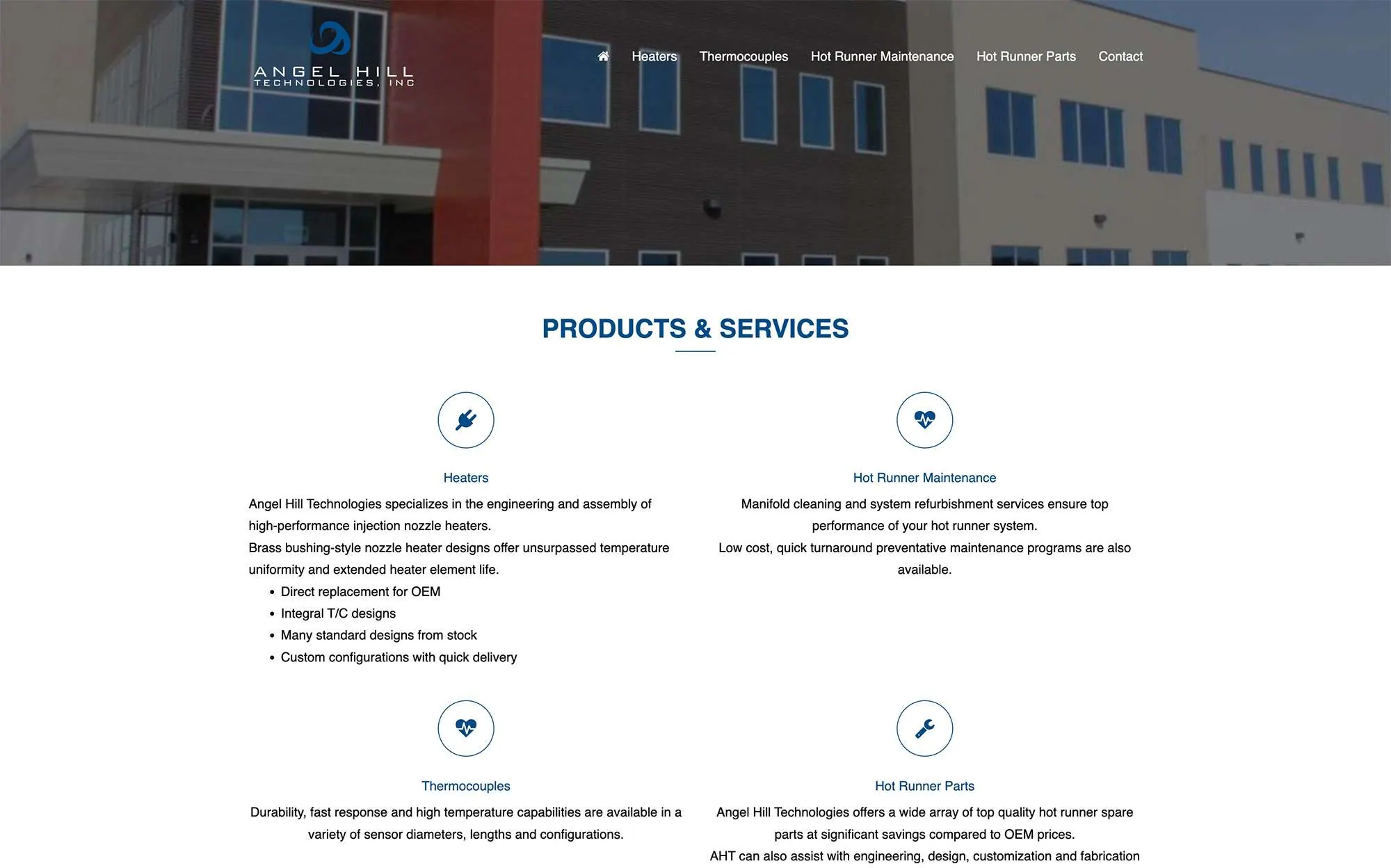
Angel Hill Technologies
A maker of nozzle heaters and hot runner parts whose customers search by component when a mold is down. We built a compact site with a page for each product line and a direct route to someone who knows the parts.
-
LCM Industries
A hot runner service shop with deep technical knowledge and no simple way to explain it to a buyer in a hurry. We designed the logo and a website that says what the shop does, why it is quick and how to get a quote.
-
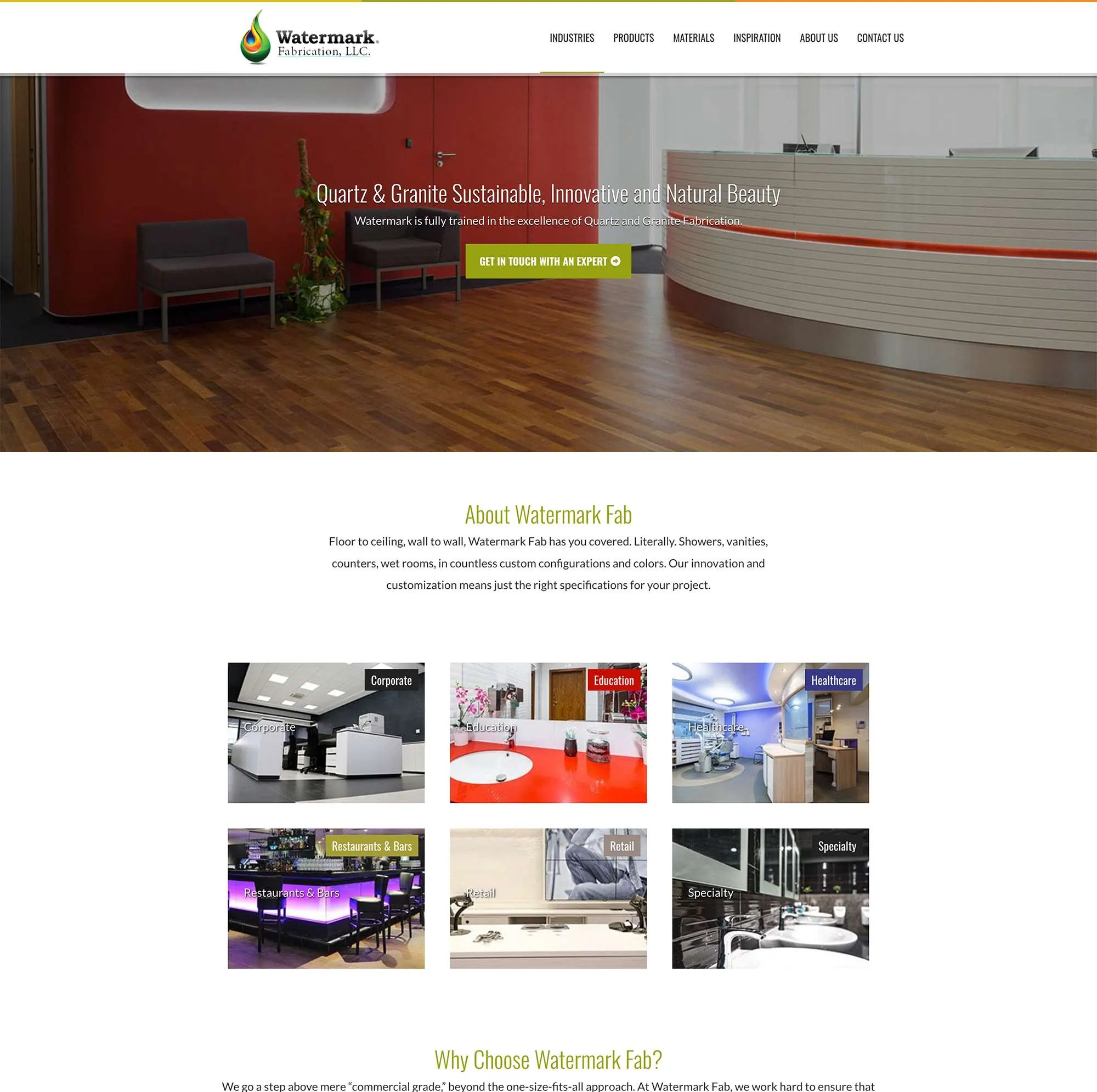
Watermark Fabrication
A commercial fabricator whose buyers are architects and contractors, each working in a different kind of building. We built a site sorted by industry, product and material, with a gallery of finished work and an expert one click away.

Tell us about your business
A few details are enough to start: what you do, who you want to reach and what you need help with.
Jason reads each request and replies in under 24 hours with next steps.