
Case study · Dumpster rental
River City Disposal: a website that answers "what size do I need?"
A dumpster company whose office answered the same question all day: what size do I need? We built a site that explains every container, names every town on the route and takes the order online.
The results for River City Disposal
A local hauler with a container for every job
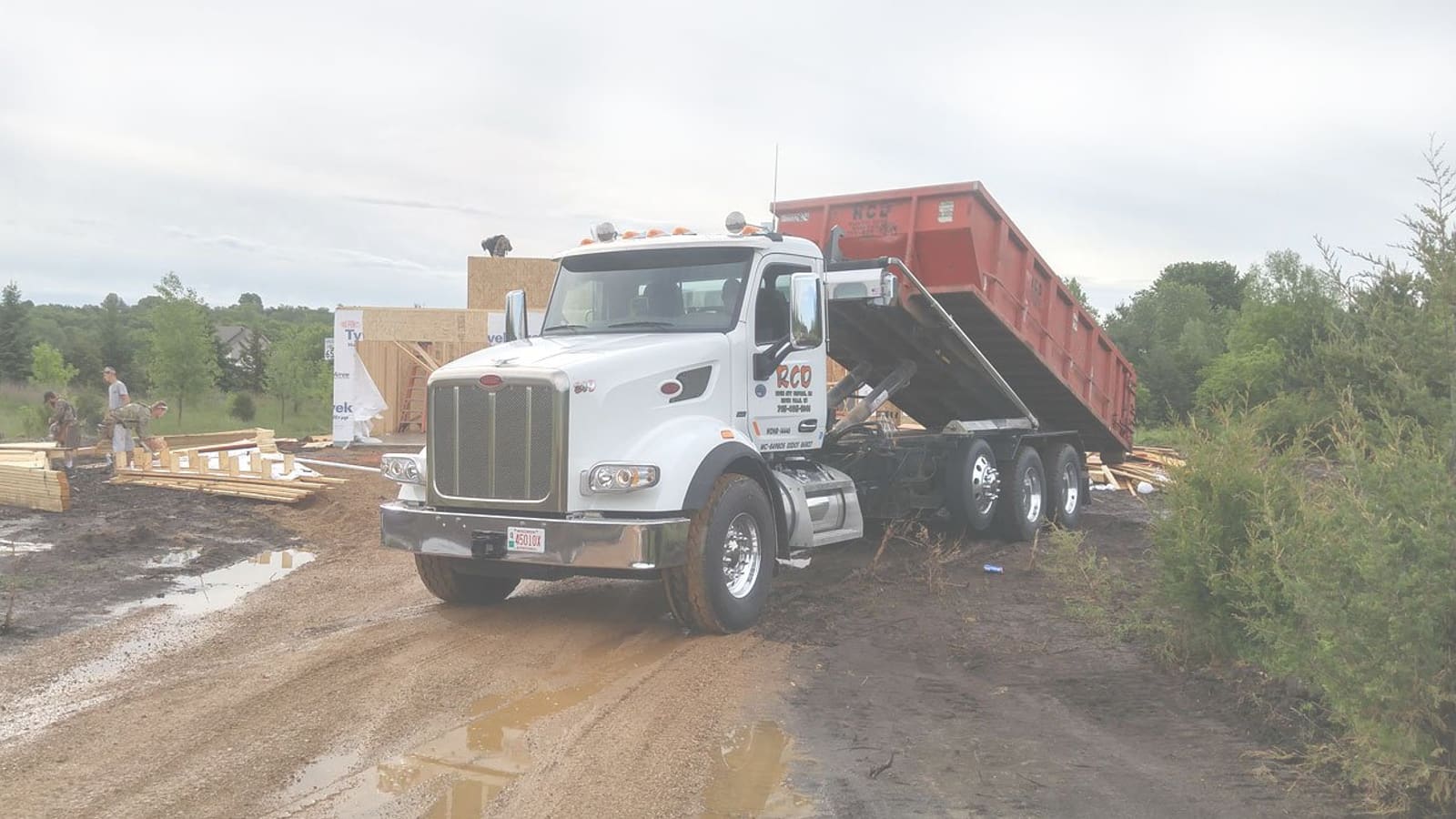
River City Disposal is a locally owned and operated waste company based in River Falls, Wisconsin. It runs two kinds of service. Permanent dumpsters of 2 to 8 yards sit behind businesses and apartment buildings and are emptied on a waste or recycling route. Roll-off containers of 10 to 30 yards go out to remodels, roof tear-offs, cleanouts and construction sites for a week or more at a time.
Around those two lines the company also picks up single items, hauls material, supplies containers for teardowns and rents lockable storage containers. Its customers are homeowners, landlords, contractors and business owners, and when they call they reach a person in the office in River Falls.
The challenge: nobody knows what size they need
Most people rent a dumpster once every few years. They do not know what a 15-yard container looks like, how much a load of shingles weighs or what they are allowed to throw in. So they call, and the office walks them through the same sizes, weight limits and rules many times a day.
That phone time is fine when the office is open. It is a lost order when a homeowner is planning a garage cleanout at nine in the evening and the next company in the search results lists its sizes and takes the booking online. River City Disposal also serves a long list of small towns on both sides of the St. Croix River, and a customer in any of them needs to see that the truck comes to them.
What the new site had to do:
- Explain every container size in terms a first-time renter understands.
- Keep temporary rentals and permanent route service apart, so each customer lands in the right place.
- Let a customer place an order or ask for a quote when the office is closed.
- Name the towns served so the site is found in searches from each of them.
What we built
A site that sorts visitors by what they need in the first screen, then answers the size, price and rules questions before they pick up the phone.


A size guide written in trash bags and truck loads.
The Box Sizes page lists each container from the 8-yard lidded dumpster to the 30-yard roll-off. Every size has a starting price, the weight included, roughly how many trash bags or pickup loads it holds and the jobs it suits, from an attic cleanout to a large roofing job.
Three doors on the home page.
Permanent dumpsters, item pickup and temporary dumpsters each get a large button at the top of the home page. A restaurant owner who needs weekly service and a homeowner who needs a roll-off for a week never have to read each other's information.
An online order form.
Customers choose a size, give the delivery address, say what is going in the container and pick drop-off and pick-up dates. The rental agreement sits on the same page, so the terms are accepted with the order and not explained again over the phone.
The service area by town name.
The site lists the 26 communities in Wisconsin and Minnesota where roll-offs are delivered. That text is what lets a search from Ellsworth, Hudson or Prescott find a company based in River Falls.
Rules in plain view.
What cannot go in a container, how overweight loads are billed, what extra days cost and how recycling should be sorted all have a place on the site. Customers who read them first load the container correctly, which saves an awkward call after pickup.
A call or a quote from every page.
The office number and a Request a Quote button appear throughout the site and in the footer, because plenty of customers still want to talk a project through with a person.
How the project ran
Discovery
We started with the questions the office hears most: sizes, weight limits, what is accepted and which towns are covered. Those became the outline of the site.
Structure and design
We planned the pages around the two kinds of customer, temporary and permanent, then designed the home page and the size guide for River City Disposal to review.
Build and forms
We built the site on WordPress, set up the order and quote forms, and tested each one on a phone the way a customer in a driveway would use it.
Launch and updates
After launch the site has kept changing with the business: sizes, prices and service areas are updated when River City Disposal asks.
The results
The site now does the first part of the office's job. A customer can work out which container fits a kitchen remodel, see what it starts at and read what is allowed in it before speaking to anyone.
That changes the calls that do come in. They tend to be about a delivery date or an unusual load, not a walk through the whole size list. Orders placed online arrive with the size, the address and the dates already filled in.
It also gives the company a place to announce changes. When route service expanded to new towns, the news went on the home page, where both customers and Google could find it.
Google Lighthouse scores out of 100 for the live site, measured November 12, 2026.
Services on this project
Website Design
Page layouts designed around how this client's customers decide and buy.
Website Development
The build itself: fast, responsive pages and the custom features the project needed.
SEO
Titles, headings, structure and local details set up so the site is found in search.
In the same line of work? See how we build waste, septic and hauling websites.
Frequently Asked Questions
What other dumpster rental and hauling owners ask us about this project.
We think so, as starting prices. River City Disposal lists a starting price and an included weight for each size, with the overage and extra-day rates explained once. Customers compare companies, and the one that gives a figure is the one they can plan around.
Yes. On this site an order form takes the size, the delivery address, the materials and the dates, and the rental agreement is part of the same form. The office still confirms each delivery, so nothing is scheduled that a truck cannot reach.
Start by naming them in text on the site, as River City Disposal does with its 26 communities. From there, the towns that matter most can get pages of their own. Our article on what a septic or dumpster rental website needs covers how to write those so they are not copies of each other.
Most service company sites launch within 4 to 8 weeks. The size guide and the order form are the parts that need your input, so the schedule mostly depends on how quickly we can get your sizes, prices and rental terms.
More projects like this
-
Toombs Septic Services
A family septic company with a second business inside it: portable toilet rentals for events and job sites. We built one site that serves both customers and names every town the trucks reach across Northwest Wisconsin.
View Case Study: Toombs Septic ServicesView the Website: Toombs Septic Services
-
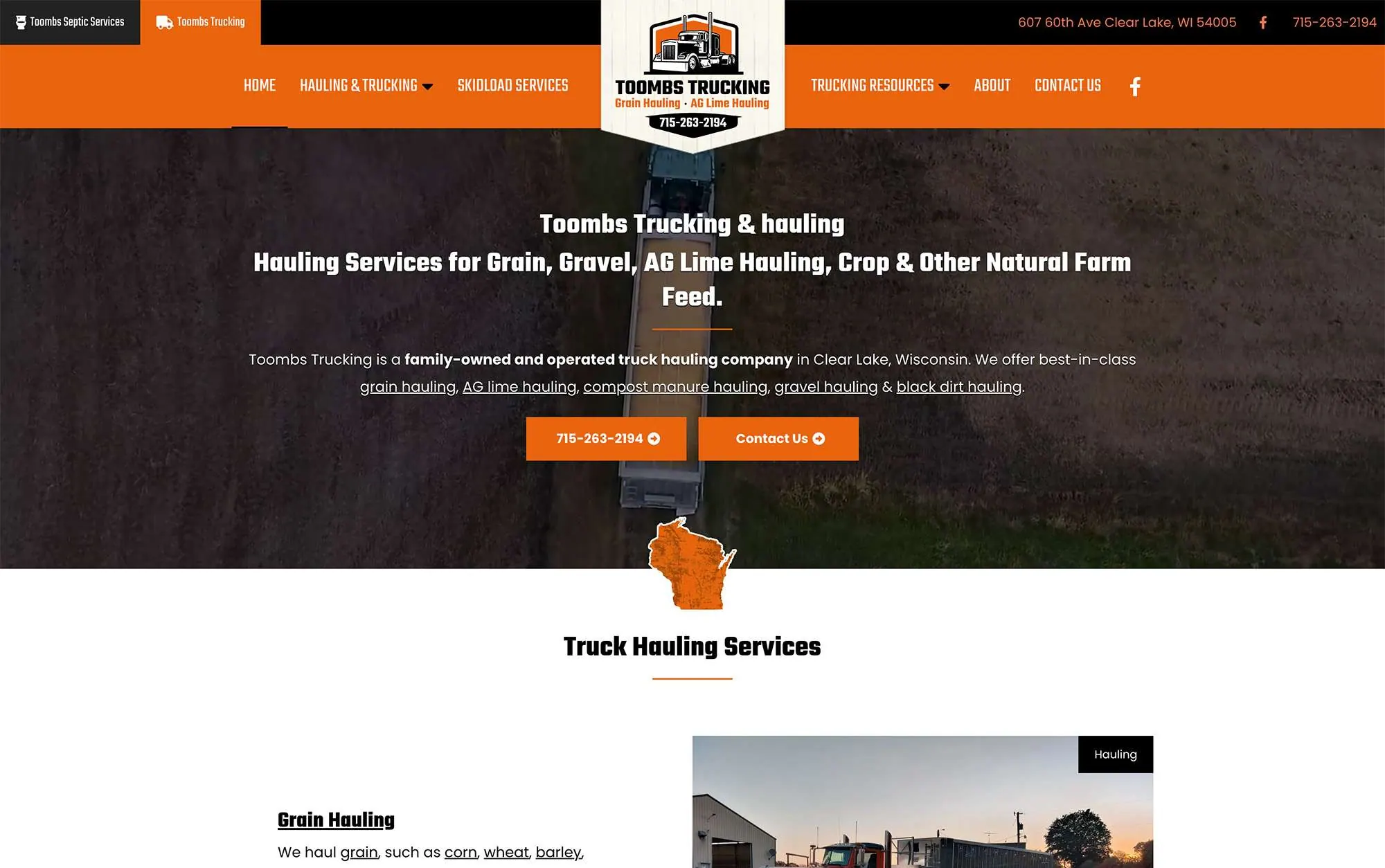
Toombs Trucking
A hauler whose busiest weeks are the ones when farmers have no time to wait for a call back. We built a short, fast site with a page for each hauling service and ads timed to the season.
-
Croix Area Fence
A fence company whose customers wanted a price before they wanted a phone call. We built a site where a homeowner designs the fence, sees an instant quote and sends it in, all from a phone.
View Case Study: Croix Area FenceView the Website: Croix Area Fence


Tell us about your business
A few details are enough to start: what you do, who you want to reach and what you need help with.
Jason reads each request and replies in under 24 hours with next steps.